Mini vs Full-Size: Which Used Excavator Is Right for Your Project?
Release time: 2026-02-04
Table of Contents
When it comes to choosing the right excavator for your construction or landscaping project, one of the most crucial decisions you’ll make is whether to go for a mini or full-size used excavator. Both types of excavators offer distinct advantages, and your decision largely depends on the nature of your project, the terrain, and budget constraints.
In this guide, we’ll break down the differences between mini and full-size excavators, their respective advantages, and help you determine which option is right for your needs.
Understanding the Types of Excavators
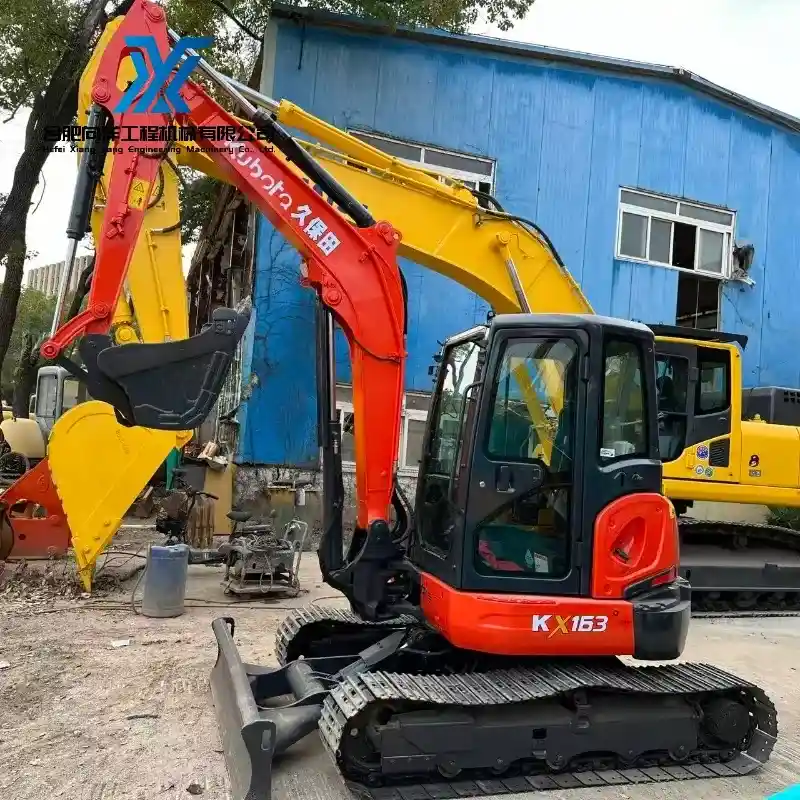
Mini Excavators (also known as compact or small excavators) typically weigh less than 6 tons, making them suitable for small to medium-sized jobs. They are designed to operate in tighter spaces and offer great maneuverability.
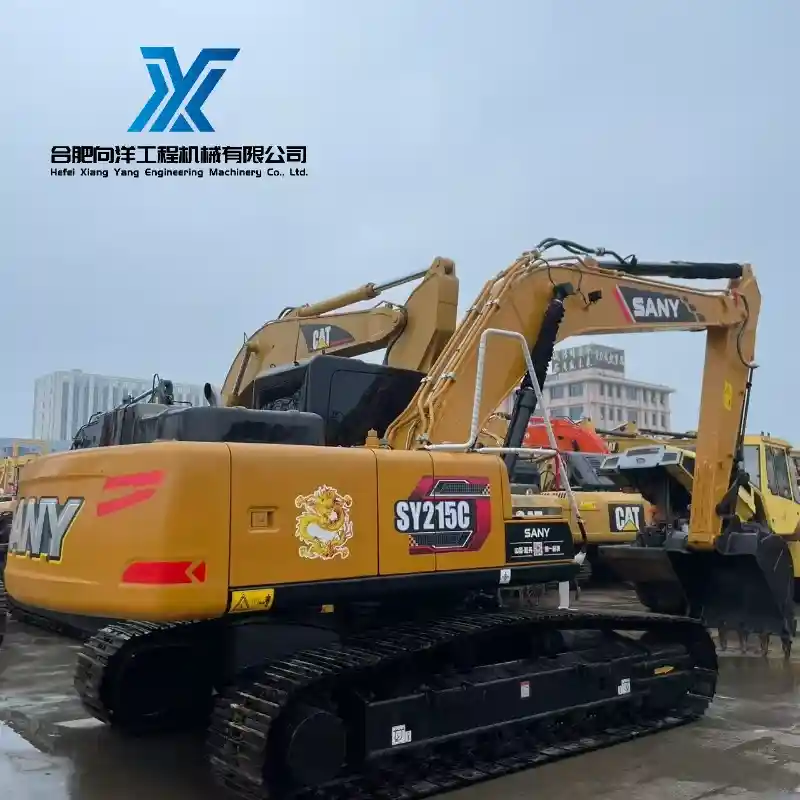
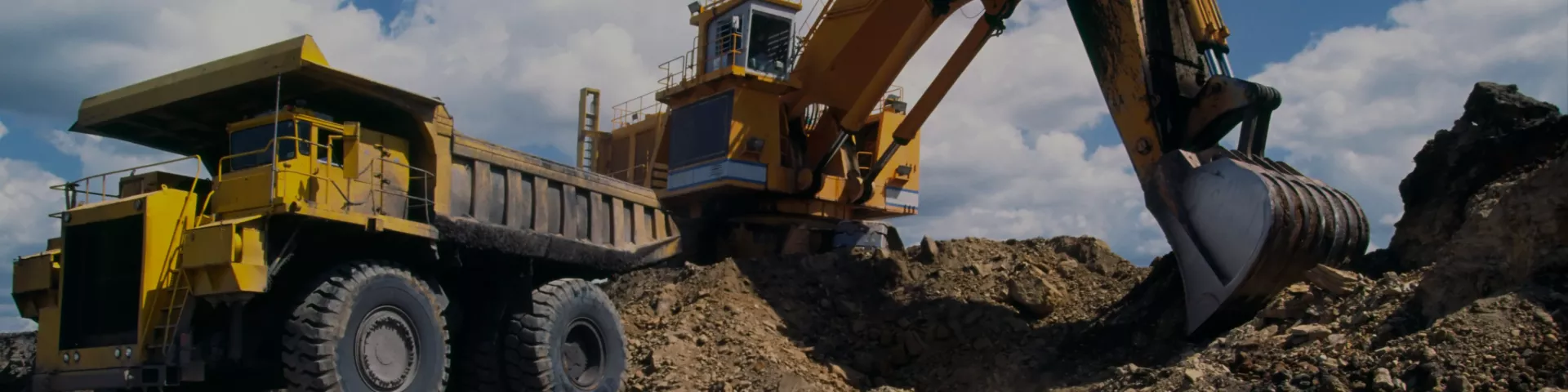
Full-Size Excavators, on the other hand, are typically larger, with operating weights ranging from 20 to 90 tons or more. These machines are intended for heavy-duty projects and are best used on larger, more open job sites.
Key Differences Between Mini and Full-Size Excavators
| Feature | Mini Excavator | Full-Size Excavator |
|---|---|---|
| Size and Weight | Typically under 6 tons, compact size | Ranges from 20 to 90 tons, large size |
| Maneuverability | Highly maneuverable in tight spaces | Less maneuverable in tight spaces |
| Power and Performance | Lower lifting and digging capacity | High lifting and digging capacity |
| Cost | Lower purchase and operational cost | Higher purchase and operational cost |
| Fuel Efficiency | More fuel-efficient | Less fuel-efficient |
| Versatility | Ideal for small-scale jobs, landscaping, and residential work | Suitable for large-scale construction, mining, and demolition work |
| Attachment Options | Limited options for attachments | A wide range of attachments available |
Advantages of Mini Excavators
1. Compact and Versatile
Mini excavators are designed for maximum maneuverability. Their compact size allows them to operate in tight spaces that full-size machines simply cannot access. This makes mini excavators ideal for residential projects, landscaping, or small-scale digging tasks.
2. Cost-Effective
When compared to full-size excavators, mini excavators are far more affordable, both in terms of purchase price and ongoing operational costs. They consume less fuel and require less maintenance, making them an excellent choice for contractors working within a tight budget.
3. Easier to Transport
The smaller size of mini excavators makes them much easier to transport between job sites. If your project requires moving machinery frequently or working in multiple locations, a mini excavator can be towed on a small trailer, reducing transportation costs.
4. Ideal for Residential and Landscaping Projects
For tasks like trenching, grading, or digging around foundations, used mini excavators are perfect. They are ideal for smaller projects such as landscaping, installing pools, and digging foundations for homes or small buildings.
Advantages of Full-Size Excavators
1. High Power and Performance
Full-size excavators offer significant lifting and digging power. This makes them perfect for larger, more demanding jobs such as site preparation, earthmoving, mining, and heavy demolition. They are equipped with powerful hydraulics and can handle larger attachments like buckets, breakers, and augers.
2. Larger Reach and Depth
Due to their size, full-size excavators have a greater reach and digging depth compared to mini excavators. They can handle larger trenches, deeper digs, and more extensive earthmoving tasks, making them essential for large-scale construction projects.
3. Variety of Attachments
Full-size excavators are compatible with a wide range of attachments, including rippers, hydraulic hammers, and grapples. These attachments add versatility, enabling the excavator to perform various tasks such as lifting heavy materials, breaking concrete, or digging rock-hard soil.
4. Durability and Long-Term Use
Full-size excavators are built for heavy-duty tasks and are generally more durable and capable of withstanding longer hours of operation. If you are planning a project that requires extensive, long-term use of an excavator, a full-size machine is built to handle the wear and tear that comes with such demands.
Factors to Consider When Choosing Between Mini and Full-Size Excavators
1. Scope of Your Project
The size of your project should be your primary consideration when selecting an excavator. If you are working on a residential property or in a confined space, a mini excavator will likely be your best choice. For large-scale construction, industrial applications, or mining projects, a full-size excavator is necessary.
2. Terrain and Job Site Conditions
Consider the type of terrain and conditions where the excavator will be used. Mini excavators are highly effective on soft or uneven ground, whereas full-size excavators perform well on rougher or more challenging terrains. If the job site is muddy, hilly, or rocky, a full-size machine may be better suited for the task.
3. Budget and Cost Considerations
Mini excavators come with a lower price tag and fewer operating costs, making them an attractive option for contractors on a budget. However, if your project demands greater power and performance, a full-size excavator may be necessary, despite the higher upfront and maintenance costs.
4. Accessibility and Transport
If your job site has limited access or is difficult to reach with large equipment, a mini excavator might be the more practical choice. Full-size excavators, due to their large size and weight, may require specialized transport and could be difficult to maneuver in tight spaces.
Is a Used Excavator the Right Option?
Buying used excavators, whether mini or full-size, can provide significant savings compared to purchasing new machinery. However, it’s essential to ensure that the used equipment is in good working condition. Here are some tips for buying a used excavator:
- Inspect the Machine Thoroughly: Ensure that the excavator has no major issues like hydraulic leaks or engine problems. Check for wear and tear, especially in areas like the tracks and boom.
- Verify Maintenance History: Ask the seller for the excavator’s maintenance records to ensure that it has been properly maintained.
- Consider Hours of Operation: Excavators with higher hours of operation tend to have more wear on the components, so try to find a used machine with relatively low hours for its age.
- Consult a Professional: If you’re unsure about the condition of the machine, consider hiring a mechanic to inspect the equipment before purchase.
Conclusion
Choosing between a mini and full-size excavator depends entirely on your project’s size, budget, and the job site conditions. Mini excavators offer flexibility, affordability, and ease of transport, making them ideal for small projects. However, if you’re dealing with large-scale projects that require heavy lifting and extensive digging, a full-size excavator will be your best option.
Regardless of which size excavator you choose, buying used equipment can save you money without sacrificing performance, as long as you carefully inspect the machine’s condition. By considering the factors outlined above, you’ll be able to make an informed decision that ensures your project runs smoothly, efficiently, and within budget.
FAQs Mini vs Full-Size Used Excavators
Q1: What is the difference between a mini and full-size excavator?
A1: Mini excavators are compact, maneuverable, and ideal for small projects, while full-size excavators are powerful machines designed for large-scale construction and heavy lifting.
Q2: Are used excavators a good investment?
A2: Yes, buying a used excavator can save money, provided it’s thoroughly inspected, maintained, and has reasonable operating hours.
Q3: Which excavator is better for residential projects?
A3: Mini excavators are better suited for residential or landscaping projects due to their size, maneuverability, and lower cost.
Q4: Can full-size excavators work in tight spaces?
A4: Full-size excavators are less maneuverable, making them challenging to use in confined areas. Mini excavators are more suitable for such conditions.
Q5: What attachments can be used with excavators?
A5: Common attachments include buckets, hydraulic hammers, rippers, grapples, and augers. Full-size excavators generally support a wider variety.