


Полное руководство: обязательное чтение для покупателей, впервые приобретающих подержанные экскаваторы на экспорт.
Release time: 2026-03-26
Exporting used excavators can be a highly profitable venture—but if you’re a first-time buyer, it can also feel overwhelming. I’ve seen many newcomers make avoidable mistakes simply because they didn’t fully understand the process, costs, or risks involved.
In this guide, I’ll walk you through everything you need to know—from choosing the right machine to shipping and compliance—so you can export used excavators confidently and profitably.
Why Export Used Excavators?
Let’s start with the obvious question: why is this market so attractive?
- Lower purchase cost compared to new machines
- High demand in developing markets
- Faster ROI (Return on Investment)
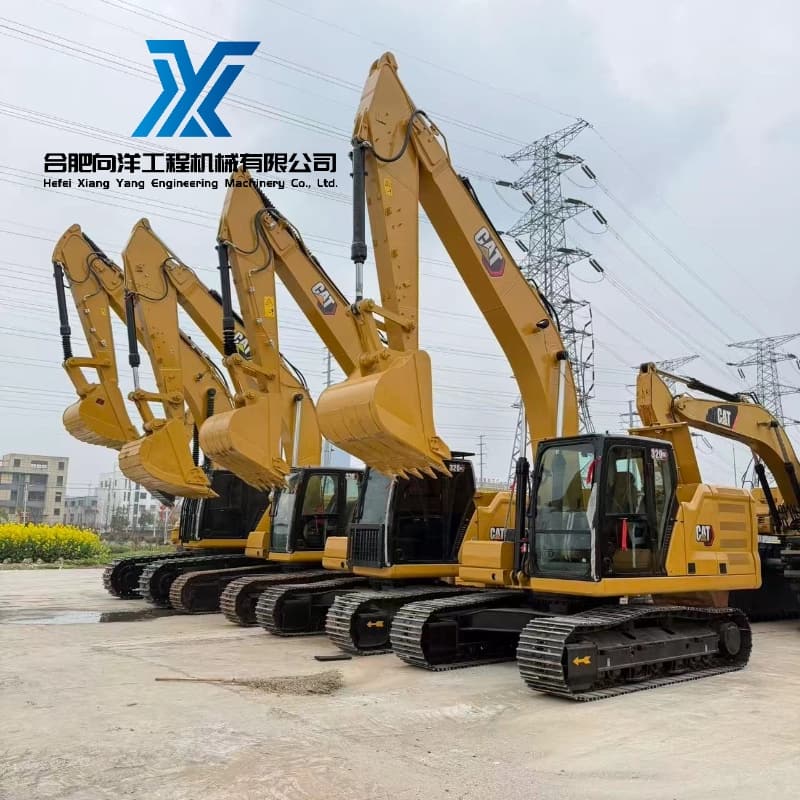
- Wide availability of trusted brands like CAT, Komatsu, and Hitachi
In many regions across Africa, Southeast Asia, and South America, подержанные экскаваторы are preferred due to affordability and proven durability.
Step 1: Choose the Right Excavator
Not all excavators are equal—especially in the export market.
Key Factors to Consider
- Brand reputation
Stick with globally recognised brands (e.g., Caterpillar, Komatsu, Volvo) - Operating hours
Ideally between 3,000–8,000 hours for best resale value - Year of manufacture
Newer machines are easier to sell and face fewer import restrictions - Condition of key components
- Engine
- Hydraulic system
- Undercarriage
Pro Tip
I always recommend requesting a detailed inspection report and, if possible, a walk-around video before purchasing.
Step 2: Understand Your Target Market
Before buying anything, ask yourself:
Where am I exporting this excavator?
Different countries have different requirements:
- Africa → High demand, but price-sensitive
- Southeast Asia → Balanced focus on quality and cost
- Middle East → Preference for newer, well-maintained machines
Check Import Regulations
Each country may have rules such as:
- Age limits (e.g., max 10–15 years old)
- Emission standards
- Mandatory inspections
Skipping this step can result in customs rejection—a costly mistake.
Step 3: Inspect Before You Buy
This is where many first-time buyers go wrong.
What to Inspect
- Engine performance (no abnormal smoke or noise)
- Hydraulic leaks or weak pressure
- Structural cracks or welding repairs
- Track condition and wear level
Best Practice
- Hire a third-party inspection service
- Ask for:
- Cold start video
- Operation test
- Serial number verification
Step 4: Calculate the Total Cost
The purchase price is just the beginning.
Full Cost Breakdown
- Excavator purchase price
- Inland transportation (to port)
- Export documentation fees
- Shipping costs (container or RoRo)
- Import duties & taxes
- Port handling charges
Example
A $20,000 excavator could end up costing $28,000–$35,000 landed, depending on destination.
Step 5: Choose the Right Shipping Method
There are two main options:
1. Container Shipping
- Safer and more secure
- Suitable for smaller excavators (e.g., 20-ton class)
- Can include spare parts inside container
2. RoRo (Roll-on/Roll-off)
- More cost-effective for large machines
- Faster loading/unloading
- Slightly higher risk of minor damage
My Recommendation
For first-time buyers, I suggest container shipping for better protection and peace of mind.
Step 6: Prepare Export Documentation
Missing or incorrect paperwork can delay your shipment.
Essential Documents
- Commercial Invoice
- Packing List
- Bill of Lading
- Export Declaration
- Certificate of Origin (if required)
Some countries may also require:
- Fumigation certificate
- Pre-shipment inspection certificate
Step 7: Work with Reliable Suppliers
Choosing the right supplier can make or break your experience.
What to Look For
- Proven export experience
- Transparent machine history
- Clear communication
- Ability to provide videos & reports
Red Flags 🚩
- Prices that seem “too good to be true”
- Refusal to provide inspection details
- No export track record
Step 8: Avoid Common Beginner Mistakes
Let me save you some trouble—here are the most common mistakes I’ve seen:
- ❌ Buying based on price alone
- ❌ Ignoring import regulations
- ❌ Skipping inspections
- ❌ Underestimating shipping costs
- ❌ Choosing unreliable suppliers
Reality Check
A cheap excavator can quickly become expensive if it arrives with major issues or gets stuck at customs.
Step 9: Consider After-Sales and Spare Parts
Your buyers (or your own operations) will need ongoing support.
- Ensure spare parts are readily available
- Choose brands with global service networks
- Factor in maintenance costs
This is especially important if you plan to resell the machine locally.
Step 10: Start Small and Scale Up
If this is your first export deal, don’t go all-in immediately.
Smart Strategy
- Start with 1–2 machines
- Test a single market
- Build supplier relationships
- Learn from the process
Once you gain experience, you can scale confidently.
FAQs About Exporting Used Excavators
1. What is the best excavator size for export?
The 20-ton class (e.g., CAT 320, Komatsu PC200) is the most popular due to versatility and demand.
2. How long does shipping take?
- Asia → Africa: 25–40 days
- Asia → Middle East: 15–30 days
3. Can I export very old excavators?
It depends on the destination country’s regulations. Many limit imports to machines under 10–15 years old.
4. Is exporting used excavators profitable?
Yes—if you manage costs, choose the right machines, and understand your market.
Final Thoughts
Exporting used excavators is a great business opportunity—but it’s not something to approach blindly.
From my experience, success comes down to three things:
- Doing your homework (market + regulations)
- Buying the right machine (quality over price)
- Working with the right partners
If you get these right, you’ll avoid costly mistakes and build a sustainable, profitable export business.

